James Baldwin
1924–198717 books here
About James Baldwin
James Arthur Baldwin was an American novelist, writer, playwright, poet, essayist and civil rights activist. Most of Baldwin's work deals with racial and sexual issues in the mid-20th century in the United States. His novels are notable for the personal way in which they explore questions of identity as well as the way in which they mine complex social and psychological pressures related to being black and homosexual well before the social, cultural or political equality of these groups was improved.[1]
Source and more information: http://en.wikipedia.org/wiki/James_Baldwin_%28writer%29#Bibliography
Biography from Open Library.
James Baldwin books in order
Go Tell It on the Mountain
In one of the greatest American classics, Baldwin chronicles a fourteen-year-old boy's discovery of the terms of his identity.
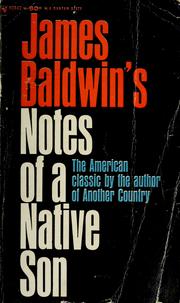
Notes of a Native Son
Since its original publication in 1955, this first nonfiction collection of essays by James Baldwin remains an American classic.
Giovanni's Room
Considered an 'audacious' second novel, GIOVANNI'S ROOM is set in the 1950s Paris of American expatriates, liaisons, and violence.
Nobody Knows My Name
Told with Baldwin's characteristically unflinching honesty, this collection of illuminating, deeply felt essays examines topics ranging from race relations in the United States to the role of the writer in society, and…
The fire next time
From Amazon.com:
Another Country
Published in 1962, this is an emotionally intense novel of love, hatred, race and liberal America in the 1960s.
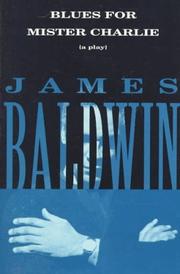
Blues For Mister Charlie
In a small Southern town, a white man murders a black man, then throws his body in the weeds.
Tell me how long the train's been gone
At the height of his theatrical career, the actor Leo Proudhammer is nearly felled by a heart attack.
A rap on race
(From the introduction) On August 25, 1970, anthropologist Margaret Mead and writer James Baldwin met for the first time to have three recorded conversations, totaling more than seven hours of tape that, once…
No Name in the Street
"This is James Baldwin's long-awaited statement on what has happened to America through the political and social agonies of her recent history".
If Beale Street Could Talk
Like the blues -- sweet, sad and full of truth -- this masterly work of fiction rocks us with powerful emotions.
The Devil Finds Work
Baldwin’s personal reflections on movies gathered here in a book-length essay are also a probing appraisal of American racial politics.
Just Above My Head
This sprawling drama traces the passage of three individuals through the events of the nineteen-fifties, sixties, and seventies from the Apollo in Harlem to the Olympia in Paris.
The evidence of things not seen
This edition of a classic work by one of America’s premier writers offers a new Foreword by Derrick Bell (with Janet Dewart Bell) to the 1995 paperback edition, and is as meaningful today as it was when it was first…
I Am Not Your Negro
Transcript of the documentary film, I am not your negro, by Raoul Peck composed of unpublished and published writings, interviews, and letters by James Baldwin on the subject of racism in America.